


By Haley · Updated November 2026
The single most useful thing you can know about anal sex is that the lube is not optional, and the lube you already own is probably the wrong one. That is not a sales line. It is anatomy, and it is the reason this page exists.
Why Anal Needs Its Own Lube
The vagina self-lubricates. The anus does not, at all, ever. Whatever you bring is the only lubrication there will be, and it has to last the whole time. That one fact drives every recommendation below: anal lube is thicker than regular lube, it lasts longer, and you use noticeably more of it than feels reasonable the first time.
Thin, watery lube is the most common mistake. It feels slippery in the bottle, disappears in minutes, and leaves friction exactly where you least want it. Body is what you are shopping for.
The Four Bases, and What Each One Is For
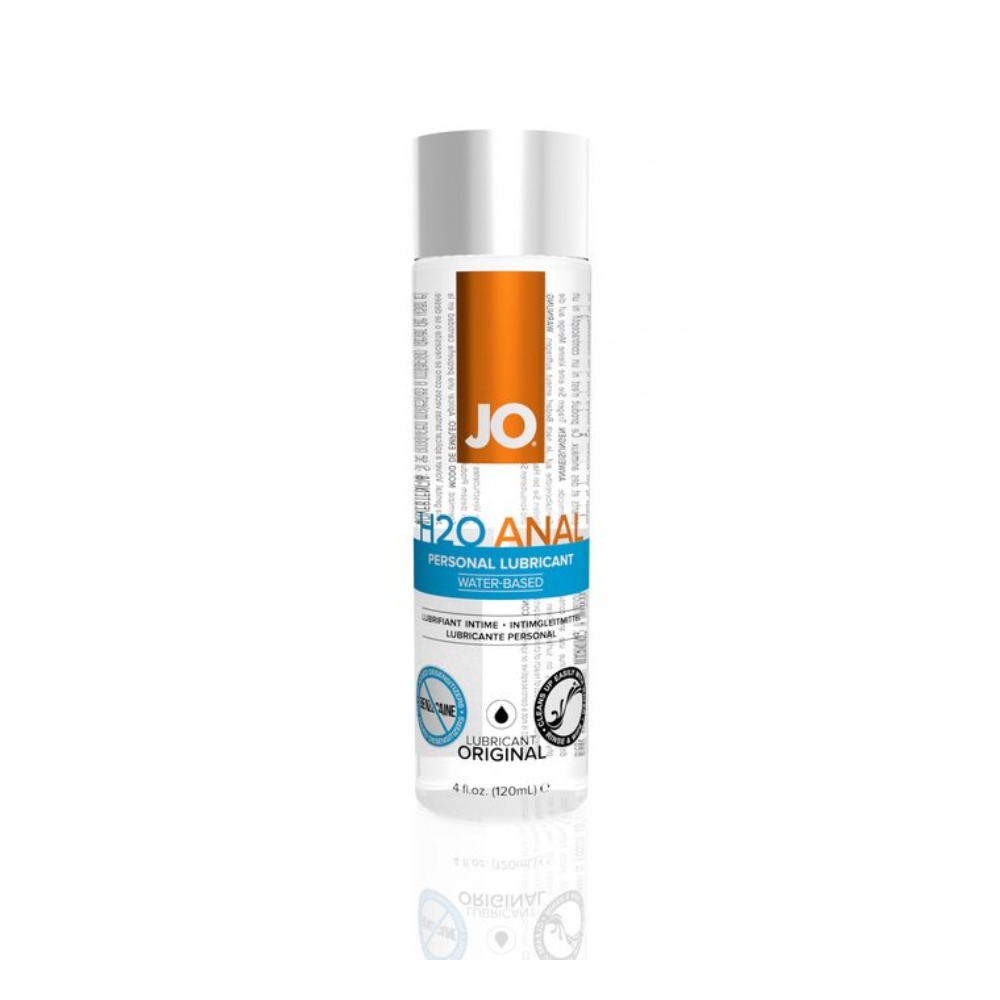
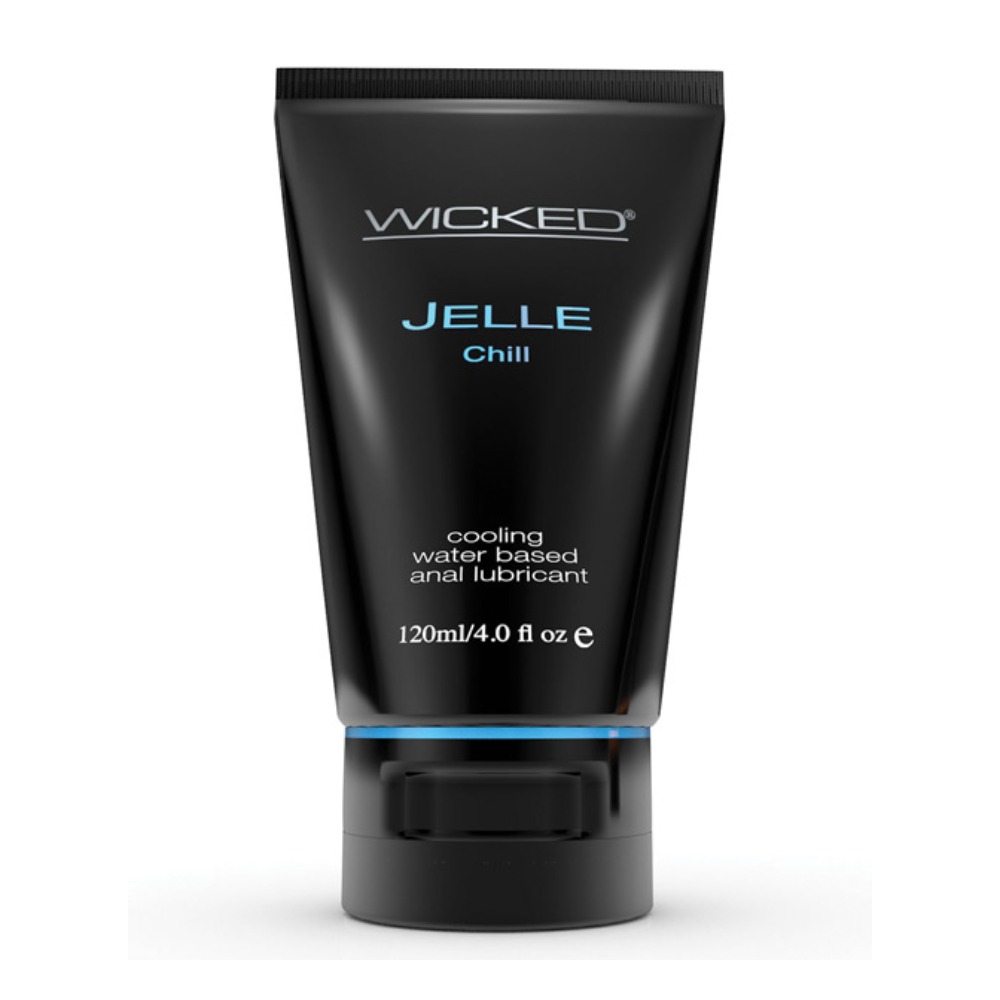
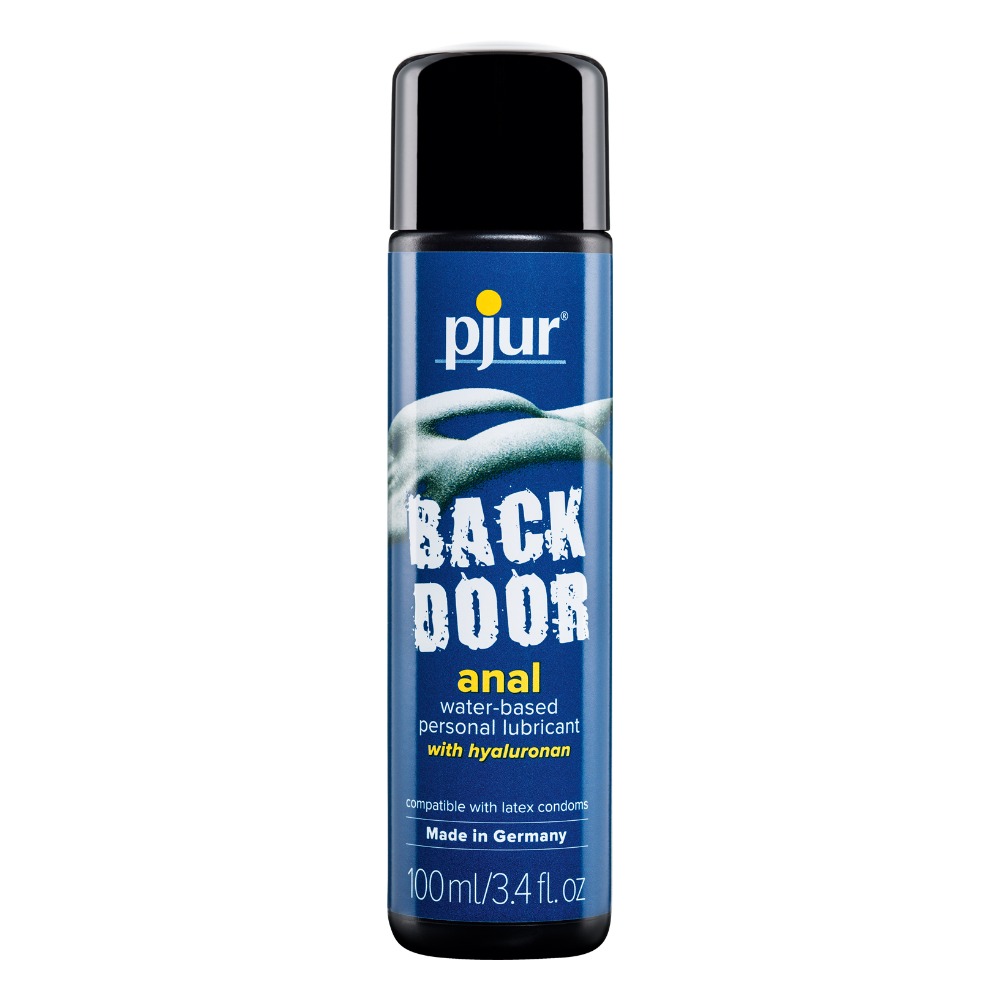
Water-based is the default and the safest all-rounder. It works with every toy material including silicone, it works with every condom, and it rinses off with water alone. The trade-off is that water evaporates, so it thins as you go and needs topping up. A thick water-based gel solves most of that.
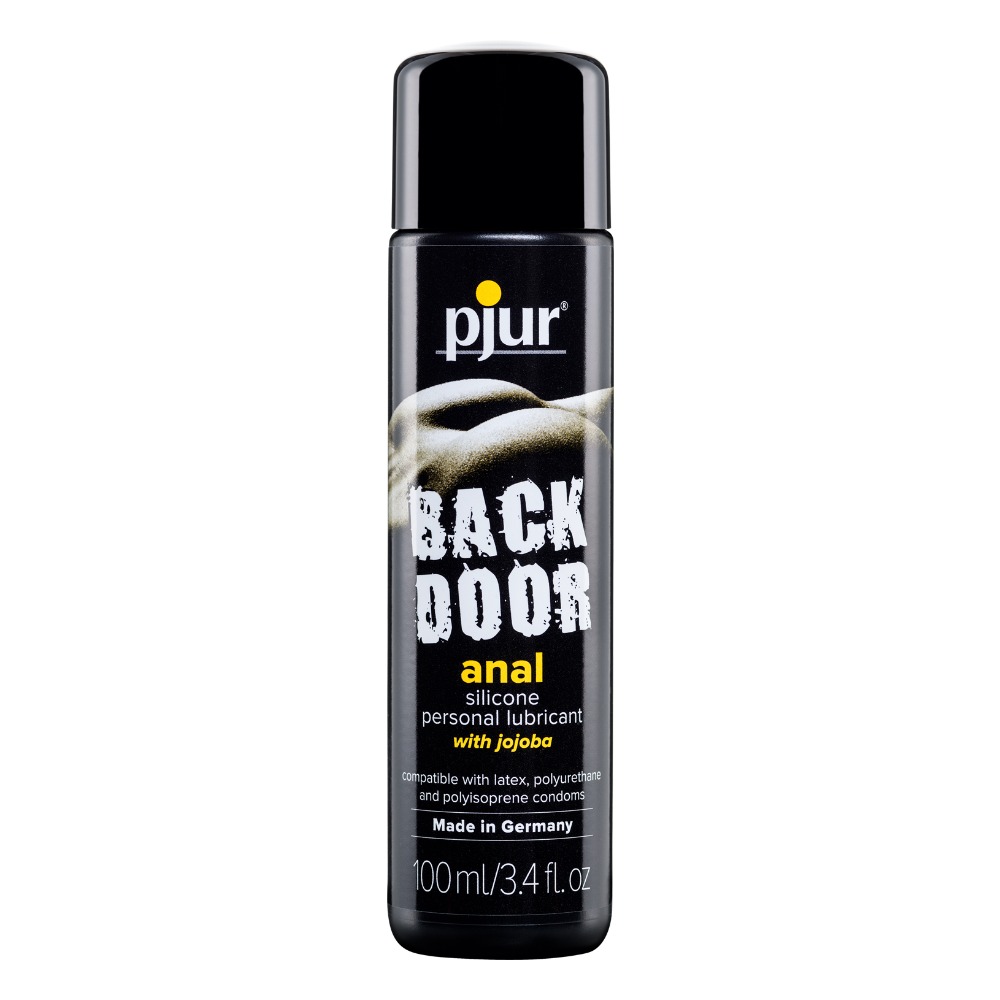
Silicone does not evaporate. One application generally carries a whole session, which is why it dominates anal use. Two catches: it can soften a silicone toy over time, so keep it to glass, metal, stainless and ABS, and it needs soap to wash off rather than water alone.
Hybrid is water-based with silicone emulsified into it. You get most of silicone staying power with water-based cleanup, and a creamier body than either. A sensible middle if you are tired of reapplying but do not want the film.
Oil lasts longest of all and feels the most cushioned, but it degrades latex, so it is incompatible with latex condoms. It also needs soap and is harder to get out of fabric.
Our Seven Picks
One for each way people actually shop this shelf. Every one of these is in stock and ships in a plain box.
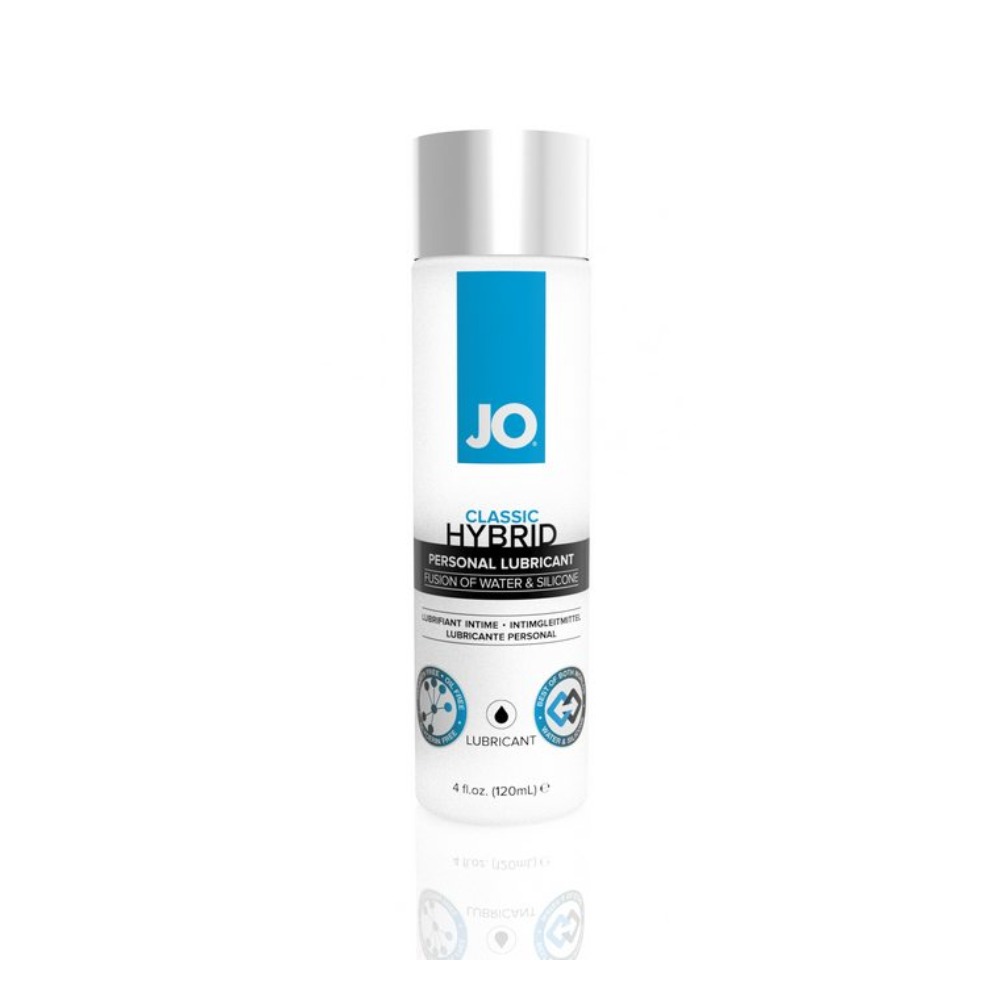
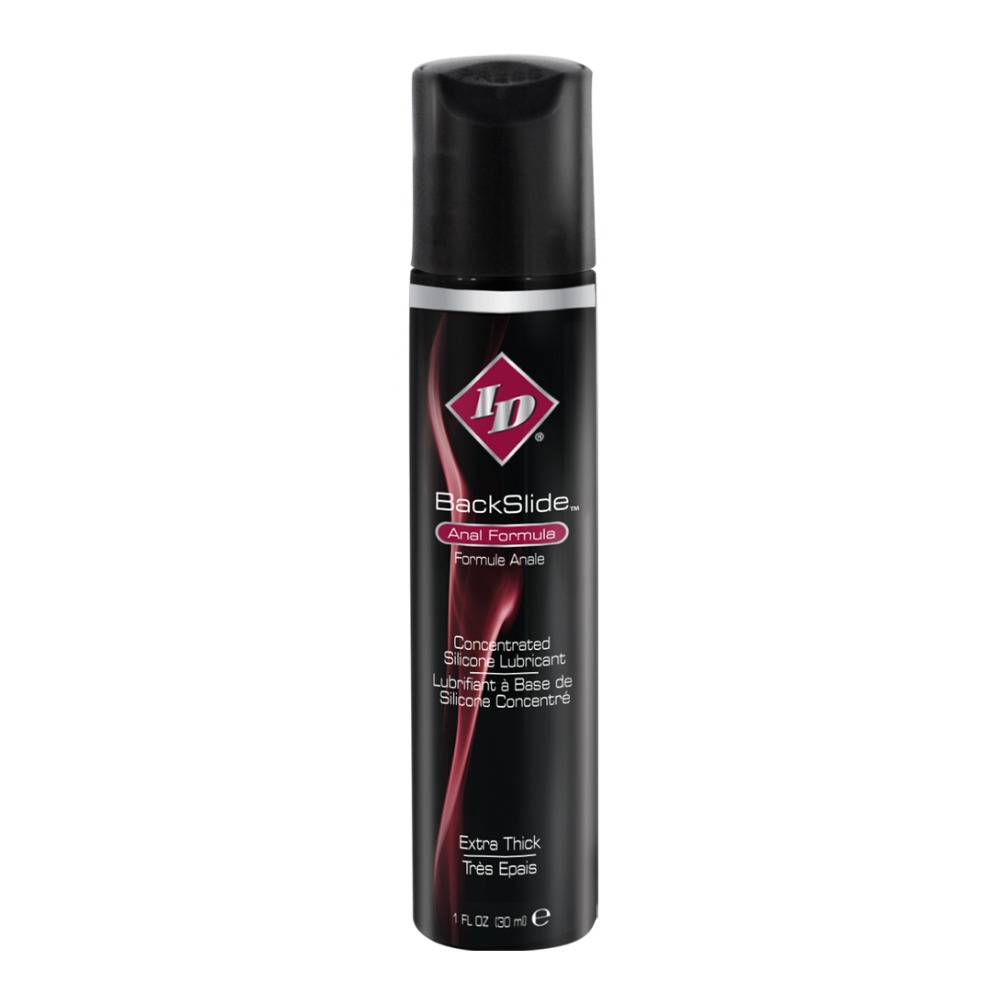
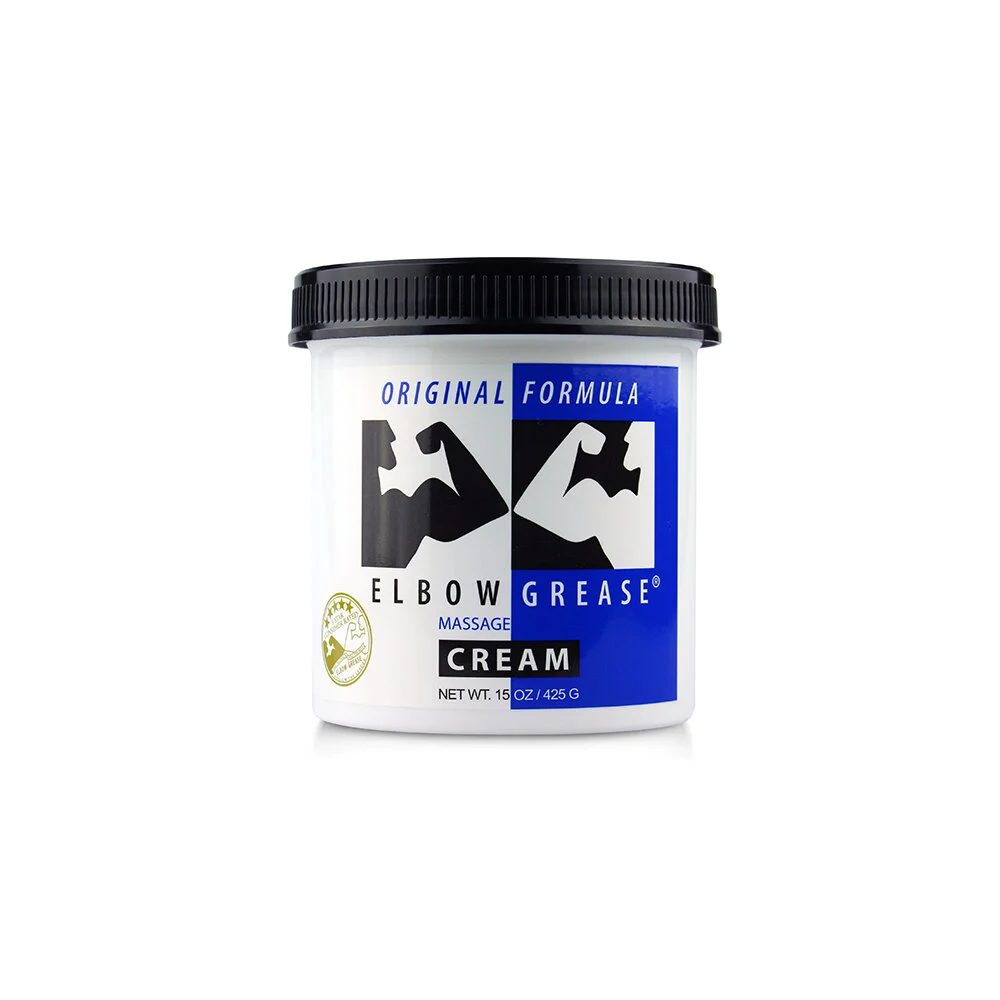
How Much to Use, and When to Reapply
More than you think, and earlier than you think. A common guide is a generous tablespoon to start rather than a dab, and then topping up before things start to feel dry rather than after. Friction is the thing you are trying to avoid entirely, not manage once it arrives.
With water-based lube, a splash of water will often revive what is already there rather than needing a fresh pour. With silicone or oil you will rarely need to reapply at all. If you are stopping repeatedly to add more, that is a signal to move up a base rather than to buy a bigger bottle of the same thing.
About Numbing Products
Desensitizing creams and sprays are sold heavily for anal, and they are worth understanding properly rather than just avoiding.
They work by blocking sensation, usually with benzocaine or lidocaine. The problem is not that they are dangerous in themselves; it is what they remove. Discomfort during anal play is information. It tells you to slow down, add lube, change angle or stop. Numbing removes the signal without removing the cause, which means you can keep going past the point where you would otherwise have stopped, and find out afterwards.
Botanical relaxants like the clove and spilanthes in ID BackSlide are a different category. They relax smooth muscle rather than blocking sensation, so you keep the feedback. That is a meaningful distinction, though it is still not a reason to rush.
What Works With Your Toys and Condoms
| Base | Silicone toys | Latex condoms | Cleanup |
|---|---|---|---|
| Water-based | Yes | Yes | Water alone |
| Silicone | No | Yes | Soap and water |
| Hybrid | Usually | Yes | Water alone |
| Oil | Check the maker | No | Soap and water |
Cleanup
Water-based rinses off skin and out of fabric with water. Silicone and oil both need soap, and both can mark sheets until they are laundered, so a towel underneath saves a wash. Wash toys before and after with warm water and a toy cleaner regardless of which base you used.
Where to Go Next
If none of the seven is quite right, the full Anal Lube shelf has the rest of what we stock, including larger sizes of several of these.
Frequently Asked Questions
What is the best lube for anal sex?
For most people a thick water-based anal lube is the right answer: it works with every toy material and every condom, it rinses off with water, and the extra body is what anal play actually needs. Step up to silicone if you want one application to last the whole session, or to a hybrid if you want longevity without the soap-and-water cleanup.
How much lube should I use for anal?
More than feels reasonable, and sooner than you think. A generous tablespoon to start rather than a dab, then top up before anything starts to feel dry rather than after. The anus produces no lubrication of its own, so whatever you apply is all there is.
Can I just use regular lube for anal?
You can, but most general-purpose lubes are too thin to last. They feel slippery in the bottle and disappear within minutes, which leaves friction exactly where you do not want it. Anal formulas are thicker on purpose.
Does anal lube expire?
Yes. Most have a shelf life of two to three years unopened, and the bottle will carry a date or a period-after-opening symbol. Water-based lubes are the ones most worth checking, since they can separate or grow cloudy once old. If the texture or smell has changed, replace it.
Will anal lube stain sheets?
Water-based will not, and rinses out with water. Silicone and oil-based will not permanently stain most fabrics either, but both leave a mark until laundered and both need soap rather than water alone. A towel underneath saves a wash.