


Many interesting adult toy materials have been utilized by our lusty lineages, including the employment of yams as a personal lubricant (yup, yams, now that’s an asserole worth eating) and tortoise shells as condoms.
A Surprisingly Old Idea
1600s — Warm-water-filled glass, per the lore of Italian convents.
The Borosilicate Breakthrough
1893 — Otto Schott invents borosilicate glass in Germany.
1915 — Corning brings borosilicate to the world as Pyrex.
Today — Hand-blown, body-safe borosilicate, built for pleasure.
Luckily, nowadays we’ve moved on to more vagina-friendly silicone-based lubes and latex condoms, but have our glass dildos made the same giant leap into the 21st century? Read on to learn more about this fragile and beautiful sex toy material’s trip throughout history!
As I’m sure you’re already aware, sex toys come in a vast range of materials. But how do we arrive at which materials are ideal for sex toys and which ones are not so great? Trial and error.
Throughout human history, our insatiable libidos have accounted for some pretty spectacular innovations. Why? The siren’s song, muse, provocateur– they all serve the same purpose, providing explosive possibilities and the desire to experience sensual delights in new and exciting ways.
This is where the inventions come into play. After all, little to nothing is more motivating to the collective human psyche than the deep desire to get it on ‘til the break of dawn.
Yet, it may be surprising to find that the first written account of glass dildo use came from early playwright’s pokes at Christian morals. Evidence as early as the 1600s suggests that hand-blown, hollow glass dildos filled with warm water were commonly used as a means of self-satisfaction by Italian nuns of that time period. In fact, the reference appears in multiple texts from the 1600s-1700s.
Then it seems, glass took a backseat in popularity for awhile until 1915 when Corning Incorporated patented Pyrex glass for kitchenware. Yes, Corning as in your grandmother’s Corning-ware pie pan. But, this type of glass was actually invented over twenty years prior in 1893 by German chemist Otto Schott as an ideal material for laboratory glassware. Hooray for science!
Low-expansion borosilicate glass is still the hardest and least porous form of glass on the market today. However, it is also extremely expensive to make as it requires an extra long annealing period and doesn’t fill molds as easily as other forms of glass.
Most items made on American soil which bear the brand name Pyrex are now actually made from less costly tempered glass, not borosilicate. For instance, the World Kitchen Corp spun off of Corning in 1998 and has had numerous complaints about their products being unable to withstand advertised temperatures without breaking.
Truly, it always helps to know that what you are putting inside of yourself or your partner is real Pyrex, not a knockoff. Read more about the dangers of inferior glass toys in, “Why Not to Buy Handmade Sex Toys,” which also discusses colored glass safety.
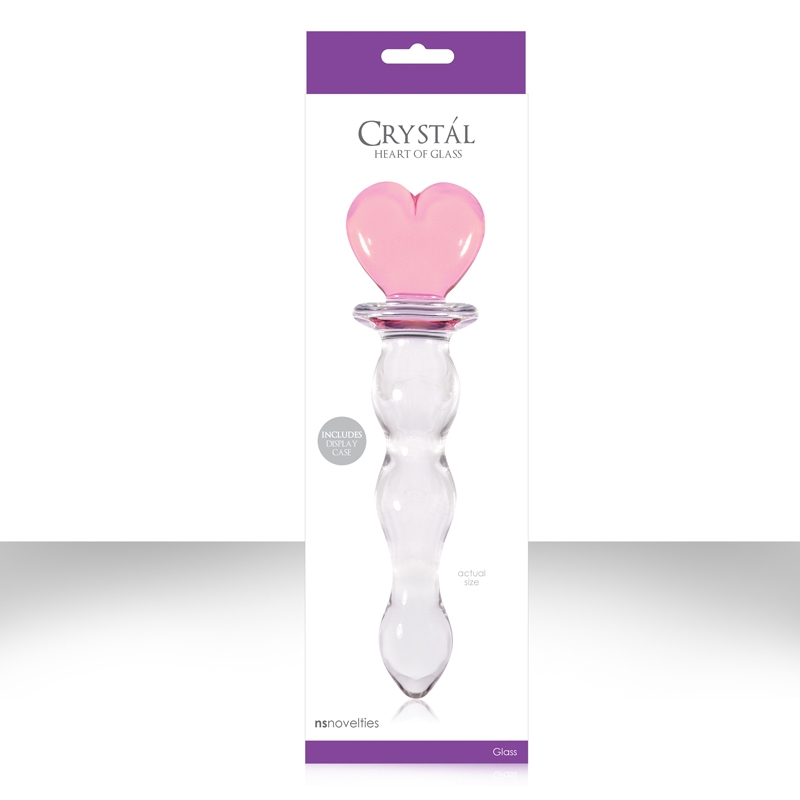
When in doubt, it’s always better to use a clear glass dildo, or one which has the colors embedded inside the dildo, not painted on the surface. My favorite body-safe, colored glass dildo of all time is the Crystal Heart of Glass, hands-down.
It is largely considered to be hypoallergenic and body safe. It’s also dishwasher, oven and microwave safe for modern day temperature play and sanitation. Can be used underwater and with any lubricant.
Where, oh where, will glass dildos end up a half a century from now? Only time will tell, but I’m sure they’ll continue to evolve as much as we do.
Why Glass Wins
- Nonporous – nothing gets trapped, so it cleans completely.
- Temperature play – warms or cools under water and holds it.
- Any lube – water- or silicone-based; glass does not care.
- Easy to sanitize – soap and water, or even a boil.
- Basically forever – no wear, no degradation; a buy-once toy.
Our Glass Picks
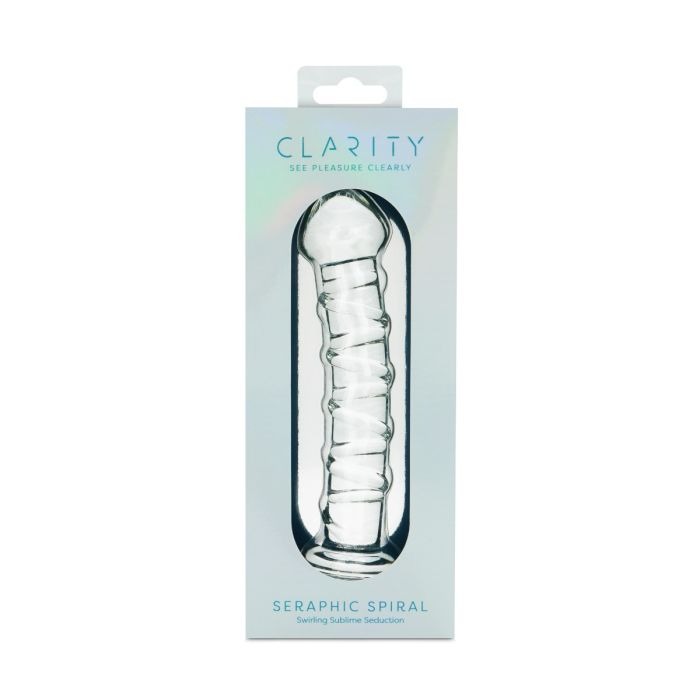
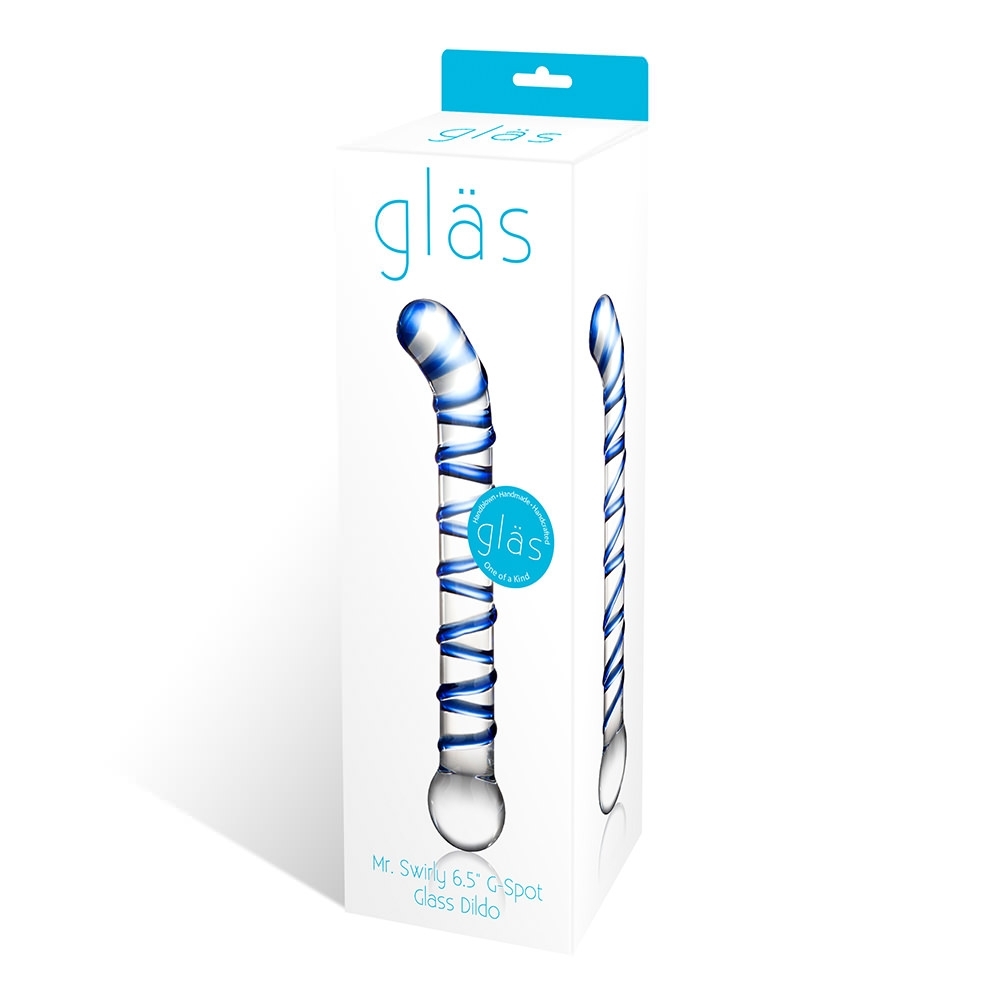
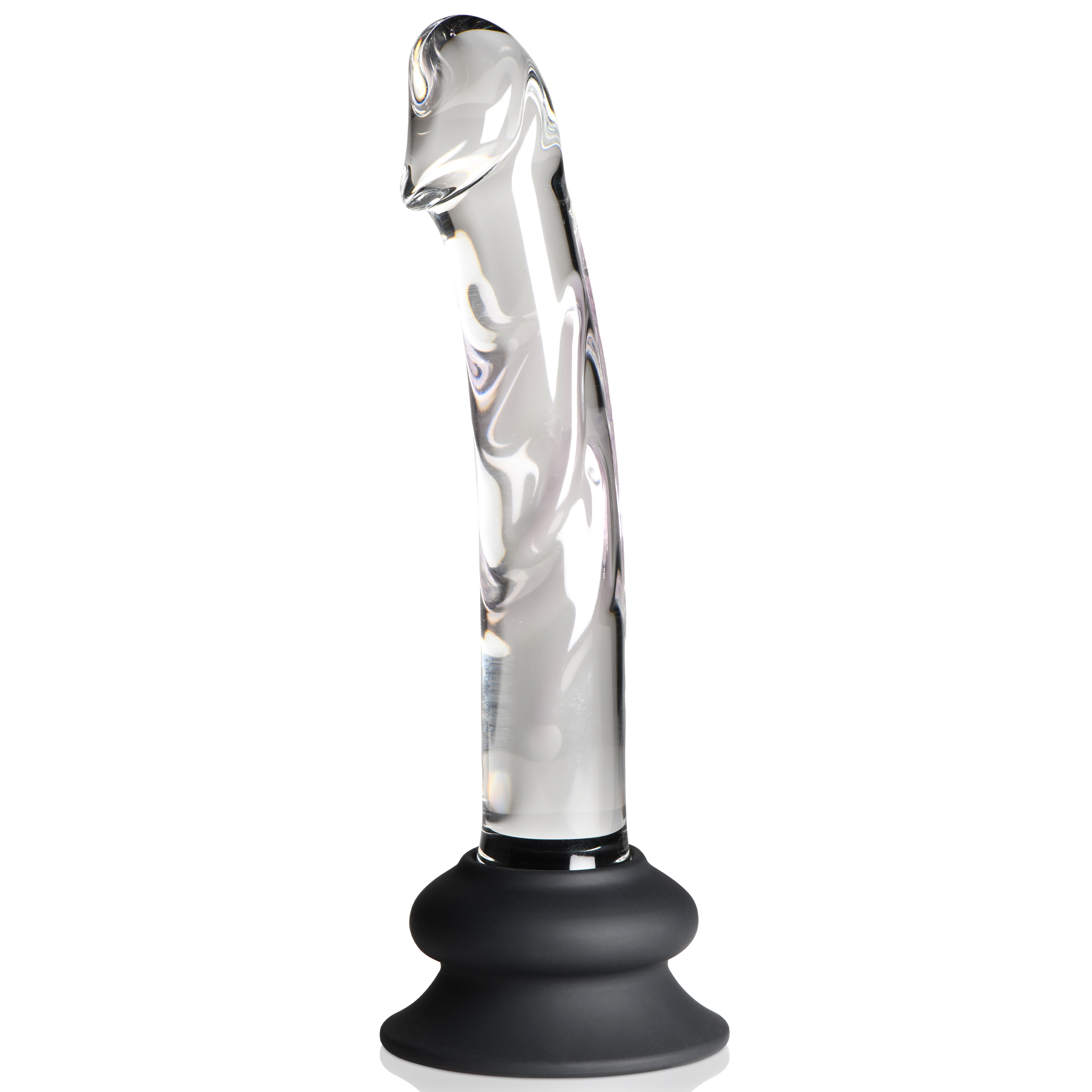
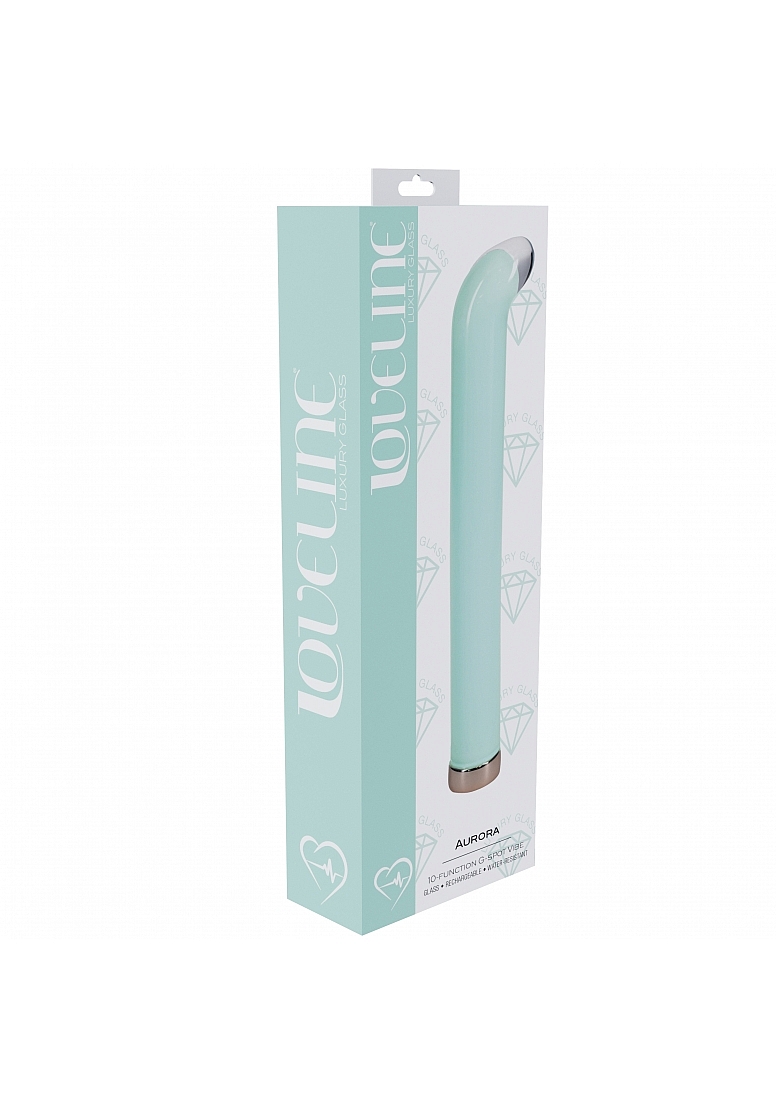
Modern glass toys are hand-blown from body-safe borosilicate – the same tough, temperature-loving glass in your kitchenware, minus the casserole. Here are a few favorites from across the shelf; browse the full glass dildos collection for the rest.
Glass Dildo FAQ
Are glass dildos safe?
Yes. Quality glass toys are made from body-safe borosilicate – the same durable glass used in labware and cookware. It’s nonporous, hypoallergenic, and surprisingly strong. Give it a quick look for chips before each use (very rare with good glass) and you’re set.
What lube can I use with glass?
Any of them. Because glass is nonporous and inert, both water-based and silicone-based lubes are safe with it – one of the perks of glass over silicone toys.
Can you use glass for temperature play?
Absolutely, and it’s a highlight. Rest it in warm water for gentle heat or chill it for a bright, cool sensation; borosilicate holds the temperature beautifully.
How do you clean a glass dildo?
Warm soapy water or a toy cleaner, then dry. Because it’s nonporous, glass cleans completely and won’t harbor bacteria – part of why it’s such a hygienic choice.
Are glass dildos good for beginners?
They can be. Glass is smooth, easy to clean, and firm enough for precise control – just start with a slimmer, simpler shape and plenty of lube.