


The SpicyGear Guide
Foreplay Isn’t the Opening Act
Updated November 2026
Somewhere between the first year and the fifth, sex gets efficient. You both know the route. You know which three things work, and you do those three things, and it’s good – it’s just also over in about the time it takes to microwave leftovers.
Foreplay is the fix, and not because it’s a nice thing to do for your partner. Arousal isn’t a switch, it’s a slope, and the further up the slope you both are before anything else happens, the better everything after it feels. Skipping it doesn’t save time. It just caps the ceiling.
Stay With Us on This One
Every year you buy a frozen turkey, and every year you have to buy it early enough to thaw. Put a frozen turkey in a 300 degree oven and you get a very ill-cooked turkey – in fact it probably won’t cook at all.
Your partner is the turkey. Sex is the oven. Both of your bodies need time to thaw out and warm up before anything good happens in there.
What Foreplay Actually Is
Most people are working from a definition that’s too narrow. Foreplay isn’t the ten minutes of touching that happens once you’re already in bed. It’s everything that builds anticipation – and anticipation starts a lot earlier than the bedroom does.
The text you send at 2pm is foreplay. Holding eye contact three seconds too long across the kitchen is foreplay. Anything that puts sex in your partner’s head before it’s in front of them counts, and those slow-burn hours do more work than any technique you could deploy once the clothes are off.
Which is why it breaks down into four kinds – and most couples are only running one of them.
The Four Types of Foreplay
EmotionalEmotional Foreplay
The unsexy one that runs everything else. Feeling wanted, safe, and actually liked by the person touching you is load-bearing – especially for anyone whose desire is responsive rather than spontaneous, which is most women and plenty of men. Resentment is the most effective libido killer ever invented. If the dishes have been sitting there three days and nobody’s said anything kind since Tuesday, no technique below is going to rescue the evening.
PhysicalPhysical Foreplay
The part everyone already knows, done with more patience than most people bring. The move isn’t a new stroke – it’s the detour. Hands, mouth, and attention everywhere except the obvious destinations, for longer than feels necessary. Neck, inner thighs, the small of the back, behind the knees. The point is to make them impatient. Impatience is the whole product.
MentalMental Foreplay
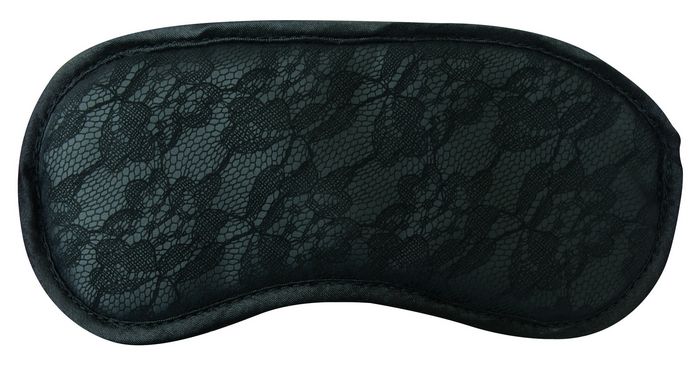
Anticipation, tension, and the good kind of not-knowing. Take a sense away and the rest get louder – a blindfold turns “he’s touching my shoulder” into “where is he going next,” which is a completely different experience. Same with rules: no touching for five minutes, no using your hands, nobody finishes yet. Constraint is what makes it a game instead of a routine.
VerbalVerbal Foreplay
The most underused and the cheapest to start. Not a monologue – one specific sentence, out loud. “I’ve been thinking about this since this morning” lands harder than anything you could do with your hands, partly because it proves you were thinking about them when they weren’t in the room. It’s also the only kind that works at a distance, over text, with your hands completely full.
What the Research Says
This isn’t folk wisdom. When researchers actually measure it, more time spent on foreplay tracks with higher arousal, easier orgasm, and greater satisfaction – and the gap is widest for women, which tracks with the orgasm gap generally.
In a global study of about 12,000 individuals from 27 countries on 6 continents, physical foreplay was rated as “very important” by 63% of men and 60% of women. (The Journal of Sexual Medicine, 2008)
The takeaway isn’t “try harder.” It’s that the clock is doing a lot of the work, and most couples are cutting it short.
Foreplay Essentials
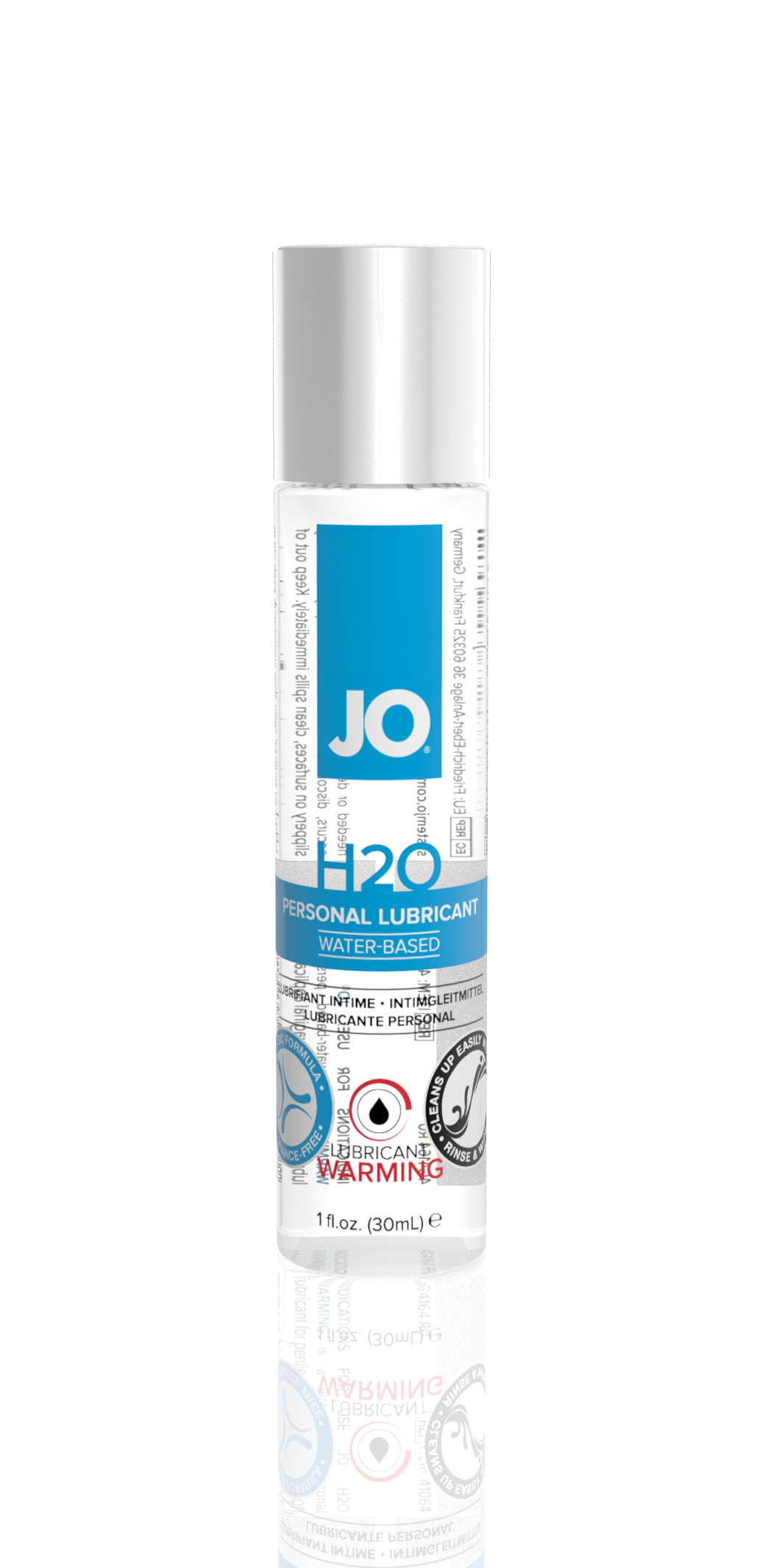
Five things that make taking your time easier. Nothing here is complicated, and most of it is cheap.

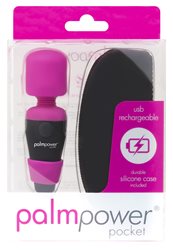
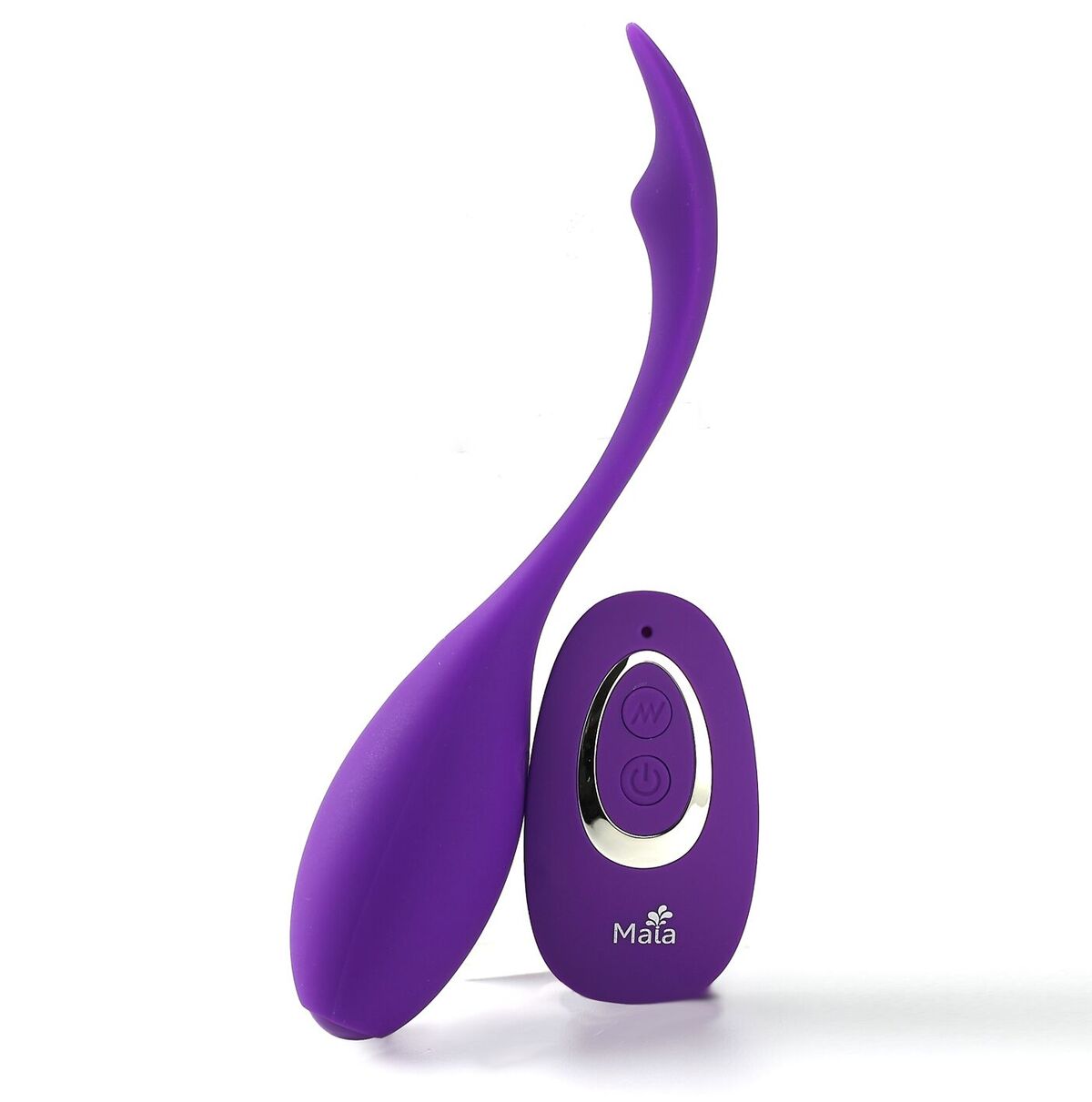
Five Moves Worth Stealing
1. Start it before you’re in the room.
One text, mid-afternoon, specific about what you’re thinking. You’re not being clever – you’re putting the idea in their head six hours early so their body has time to catch up. Highest-return habit on the list and it costs nothing.
2. Leave something on.
Half-dressed beats naked more often than people admit. Naked is a destination; half-dressed keeps the reveal ahead of you instead of behind you. Take your time getting there, and stop short at least once.
3. Ask the specific question.
Not “what do you like” – too big, nobody can answer it. Ask what they were thinking about the last time they got themselves off. You’ll learn more in one sentence than in a year of guessing, and asking it is itself foreplay.
4. Set a rule and hold it.
No touching below the waist for ten minutes. No hands. Nobody finishes until both of you have said please. Constraint manufactures tension out of nothing, and it’s the fastest way to make familiar sex feel unfamiliar again.
5. Go past the point where you’d normally start.
Whatever your usual mark is for “okay, we’re ready” – go five minutes past it. Then five more. The whole thesis here is that the ceiling is higher than you think, and almost everyone stops climbing early.
Take the Long Way
Picture it: nothing on the calendar, the door closed, and a deliberate decision not to rush. You start further out than usual – hands where they’re not expected, mouth taking the long route, the good oil warm on your palms. They reach for you and you slow it down instead, once, then again, until the wanting is doing all the work for you. By the time either of you gets what you’re after, you’ve been at it long enough that the whole thing lands differently. That’s the entire trick.
Why Shop With Us
Family-run since 1996, and we still choose everything we stock ourselves. Discreet shipping and billing on every order, free over $75, and real people on the other end if you’d rather ask than Google.
Frequently Asked Questions
What counts as foreplay?
More than touching. This guide splits it four ways – emotional, physical, mental and verbal – because anticipation built hours earlier through a message or a conversation is doing the same job as anything that happens in the room.
How long should foreplay last?
Longer than most couples give it. Rather than a target number, the useful finding is directional: when researchers measure it, more time spent tracks with higher arousal, easier orgasm and greater satisfaction. Most people are cutting it short rather than missing by a minute or two.
Is there actual research on this, or is it just advice?
There is research. In a global study of around 12,000 people across 27 countries on 6 continents, physical foreplay was rated very important by 63% of men and 60% of women (The Journal of Sexual Medicine, 2008). The measured benefit is widest for women, which tracks with the orgasm gap generally.
Is foreplay mainly for women?
No – the benefit is measurably larger for women, but it is not one-sided. In the same study a majority of men rated it very important too. Arousal is a slope rather than a switch for most people, whichever body they have.
Do I need to buy anything for it?
No. Nothing in this guide requires a product, and the five techniques at the end need none at all. A warming oil and a blindfold are the two things that change the experience most for the least money, which is why they are the ones we point to.