


By Haley · Updated November 2026
Almost every problem people have with lube comes down to one of three things: not enough of it, the wrong base for what it is touching, or waiting until something already feels dry to reach for it. None of those are complicated to fix, and none of them are about choosing a fancier bottle.
Use More Than You Think, Earlier Than You Think
The most common mistake is a conservative first application. A dime-sized amount is a starting point, not a dose, and the right quantity is however much it takes for everything to move without drag.
Apply it before anything feels like it needs it. Lube added after friction has already started is damage control; lube added first is the whole point. Warm it between your fingers for a second or two before applying, because cold lube straight from the bottle is its own distraction.
Reapply rather than over-applying at the start. This matters most with water-based formulas, which absorb and evaporate as you go. A few drops of water or a light mist can often reactivate a water-based lube that has gone tacky, which is cheaper than adding more.
Which Base Does What
There are four bases on the shelf and they behave differently in ways that actually matter:
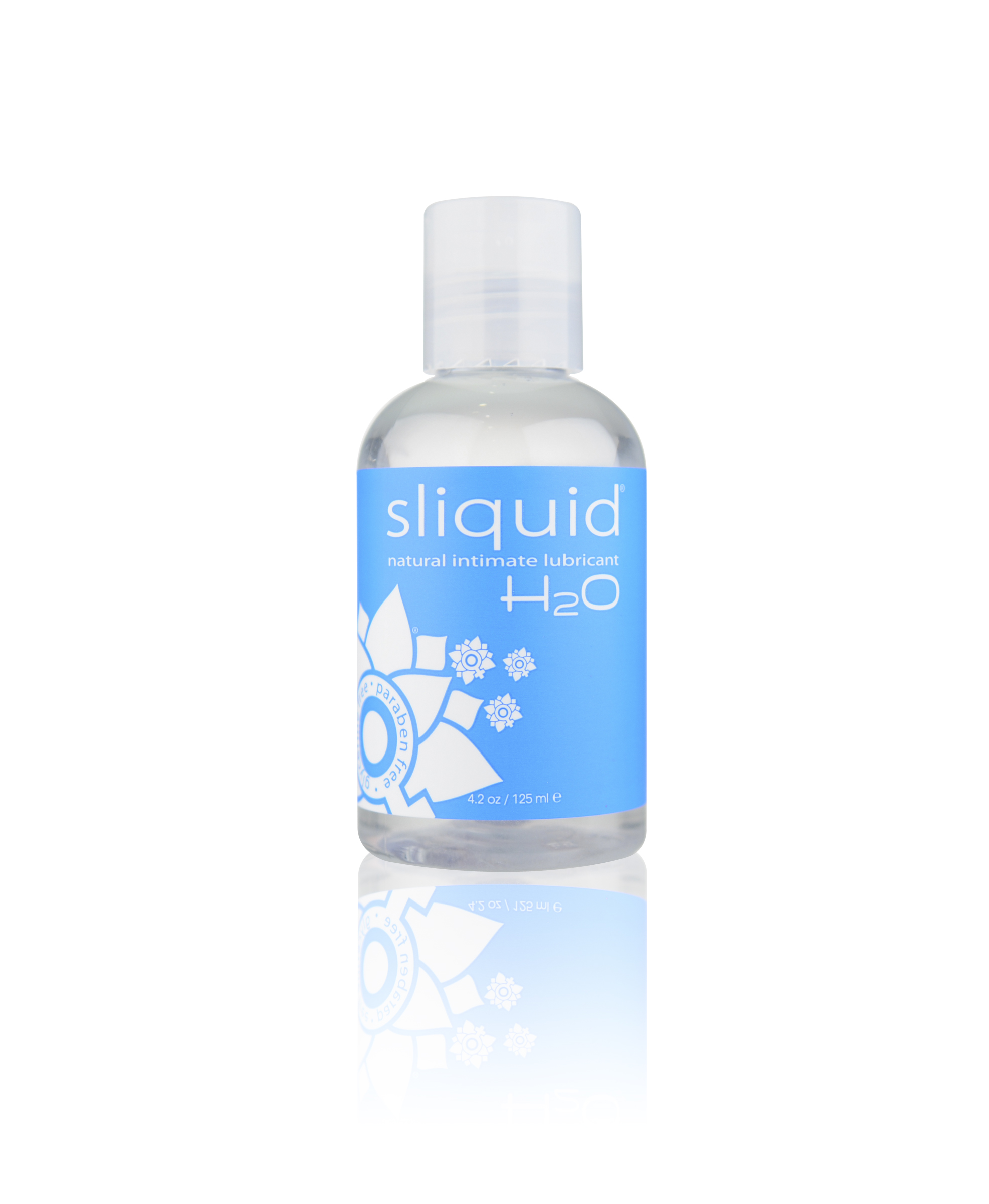
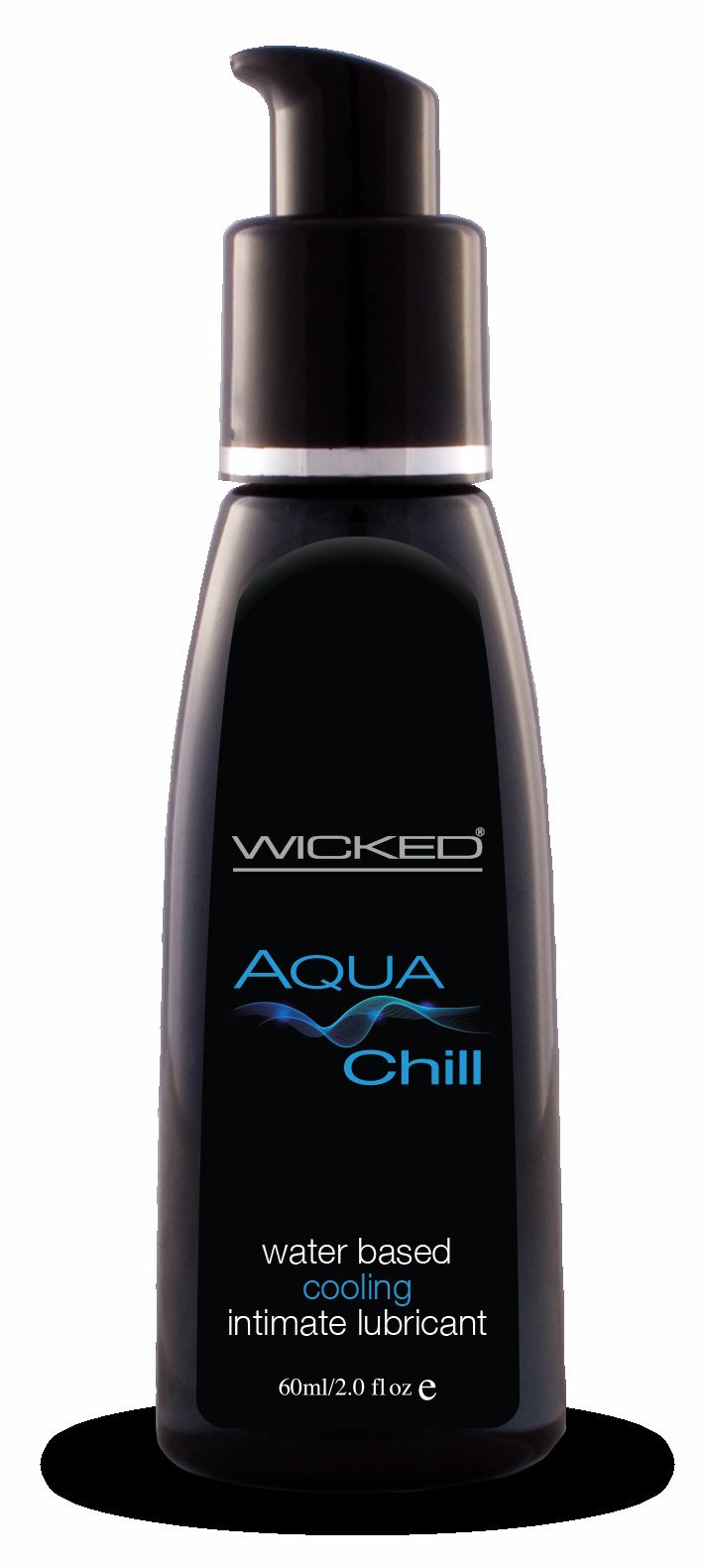
- Water-based. Safe with every material and every condom. Washes off with water, leaves no stain, and absorbs as you go, so it needs reapplying.
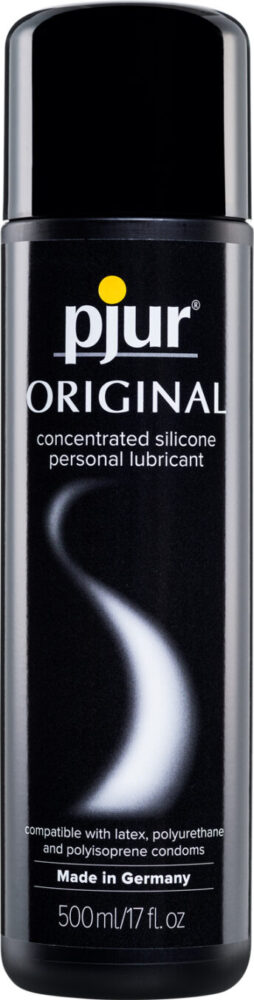
- Silicone. Slick, long-lasting, does not absorb, and works underwater. Safe with latex. Not safe with silicone toys.
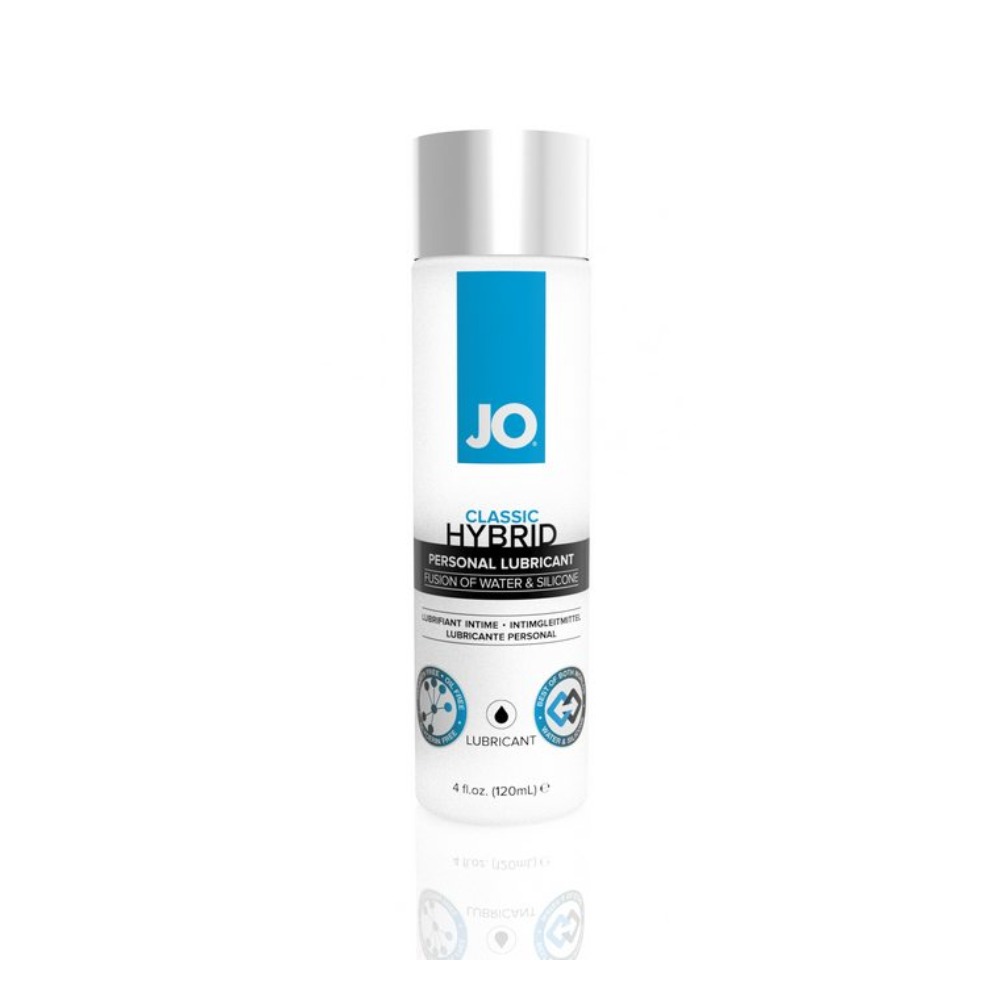
- Hybrid. Water-based with silicone emulsified into it. Lasts noticeably longer than straight water-based and still cleans up with water. Creamier than pure silicone rather than slicker.
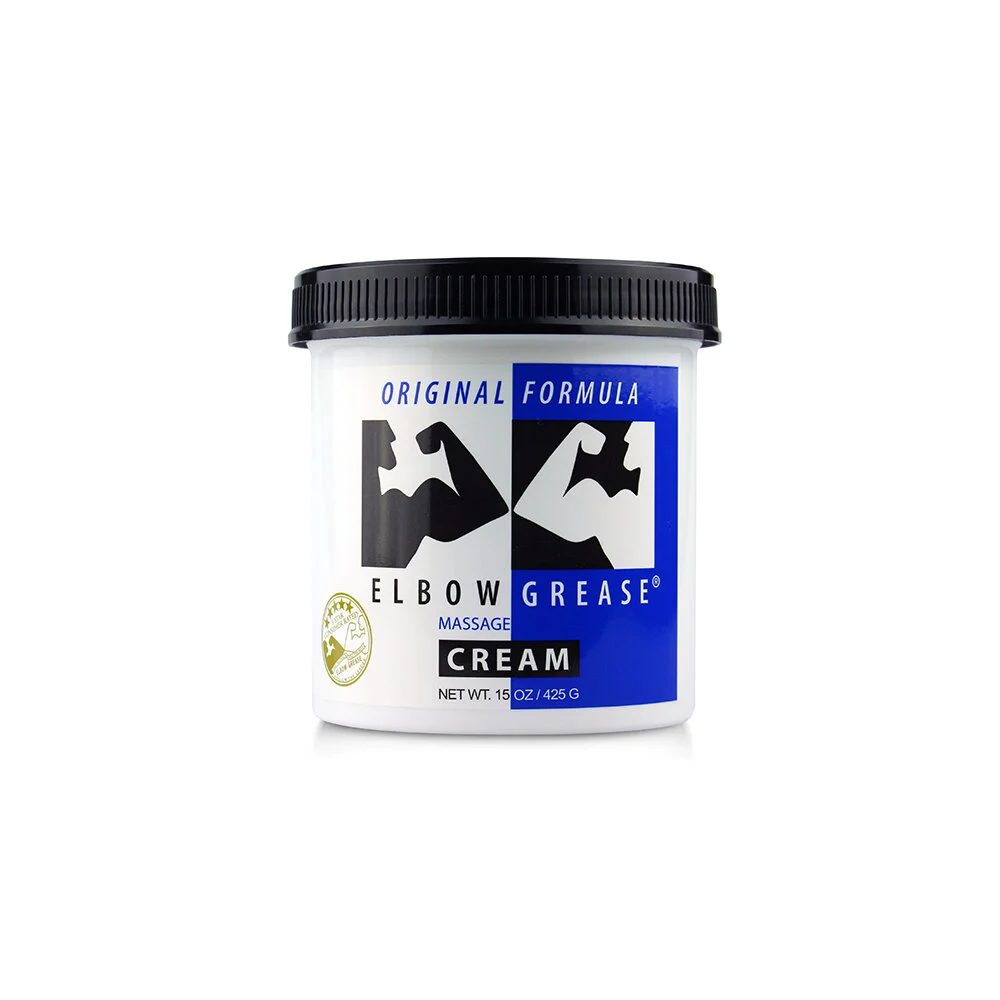
- Oil-based. Long-lasting and good for external use. Degrades latex condoms, stains fabric, and is the hardest to wash off.
The Compatibility Rules That Actually Matter
Two of those rows are the ones people learn the hard way.
Silicone lube on a silicone toy bonds to the surface and leaves it permanently tacky. No amount of washing reverses it. If your toy is silicone, which most good ones are, keep a water-based bottle next to it and keep the silicone one for skin, glass and metal.
Oil breaks down latex. That includes condoms, dams and latex gloves. If a condom is involved, the lube needs to be water-based or silicone, and nothing else.
A note on numbing products. Desensitizing lubes exist and we sell them, but pain is information. Anything that mutes the signal makes it easier to carry on past the point where you should have stopped. If something hurts, less friction and a smaller size are the fix, not a weaker signal.
When to Reapply
Water-based lube is the one that needs managing. It absorbs into skin and evaporates into the air, so the useful window is shorter than people expect, especially in a warm room. Plan on topping it up rather than treating the first application as the whole job.
Silicone does not absorb, so it keeps going until it is washed off. That is what makes it the choice for the shower or the bath, where water rinses a water-based lube away in seconds. A hybrid sits between the two: longer than water, easier to clean than silicone.
Sensitive Skin: Read the Label, Not the Front
If lube has ever left you irritated, the base is usually not the problem. The additives are.
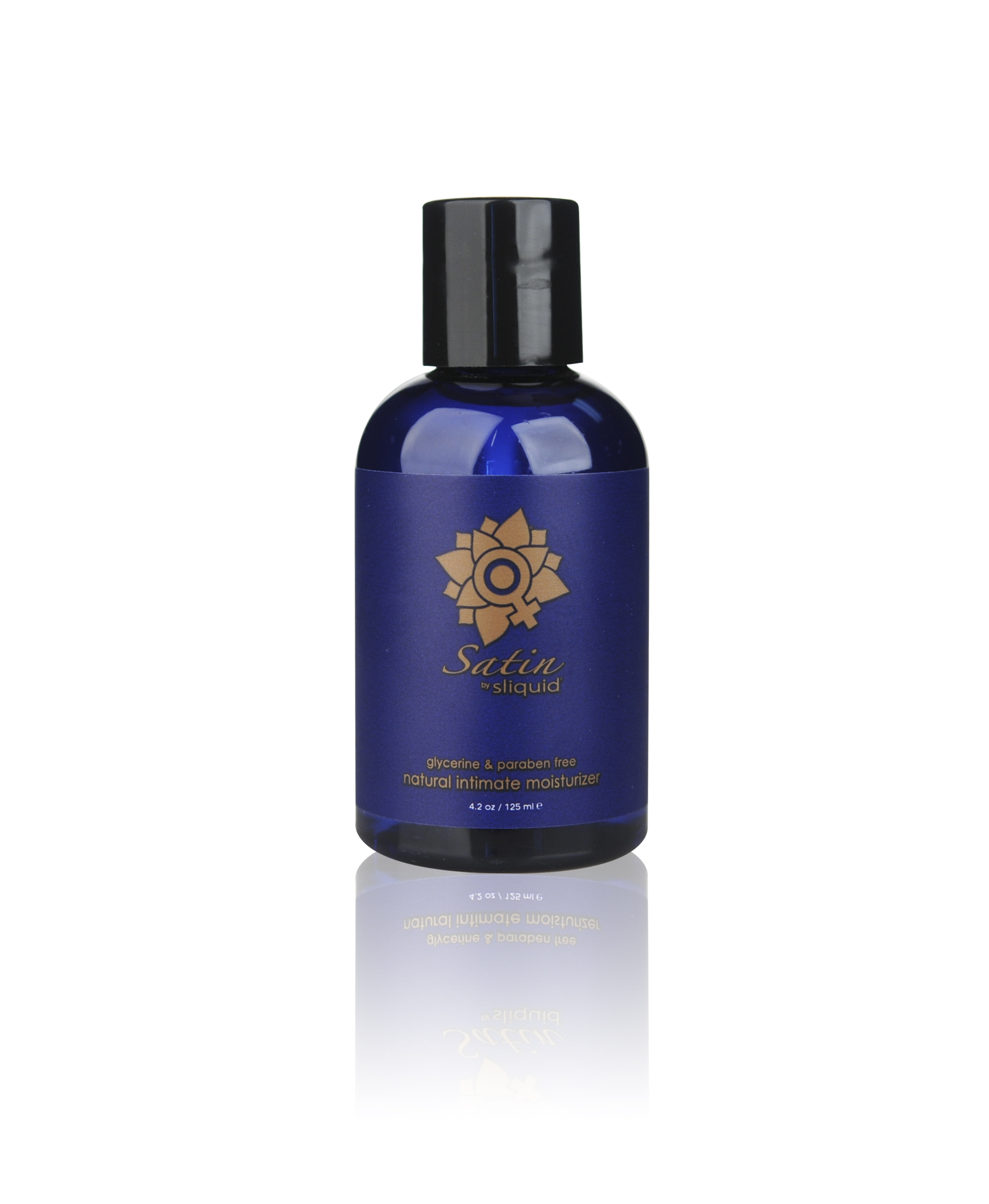
- Glycerin is a sugar alcohol used to thicken and sweeten. It is the most common culprit behind irritation and is worth avoiding if you are prone to it.
- Fragrance and flavor are the next most common, and neither does anything functional.
- Parabens and petrochemical glycols are worth skipping if you are reacting to things generally.
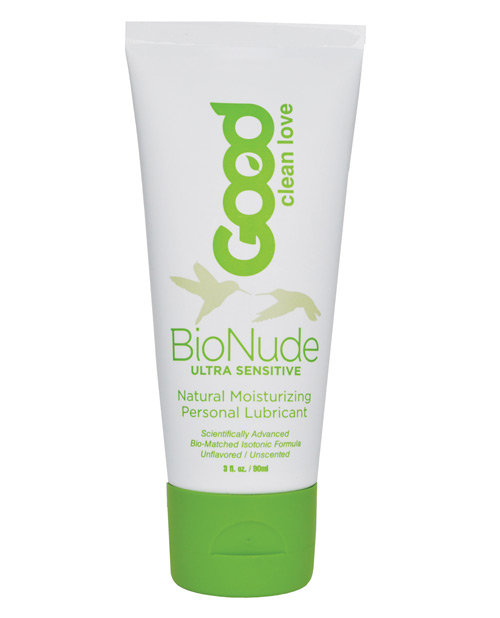
- Osmolality and pH are the quiet ones. A formula described as isotonic and pH-balanced is built to sit closer to what your body already does, which is the opposite of the cheap sticky stuff.
A plant-thickened, glycerin-free, unscented formula solves most of this without any detective work.
Nine Worth Keeping Around
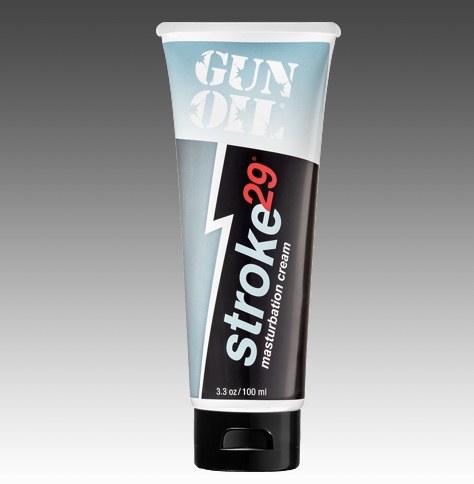
Each of these is here because it solves one of the problems above. All are in stock as of this update.
Cleanup and Storage
- Water-based rinses off skin and toys with warm water and mild soap, and does not stain.
- Silicone needs soap to shift and can stain fabric, so keep a towel under things rather than hoping.
- Oil-based is the hardest to remove from both skin and fabric. Expect to wash twice.
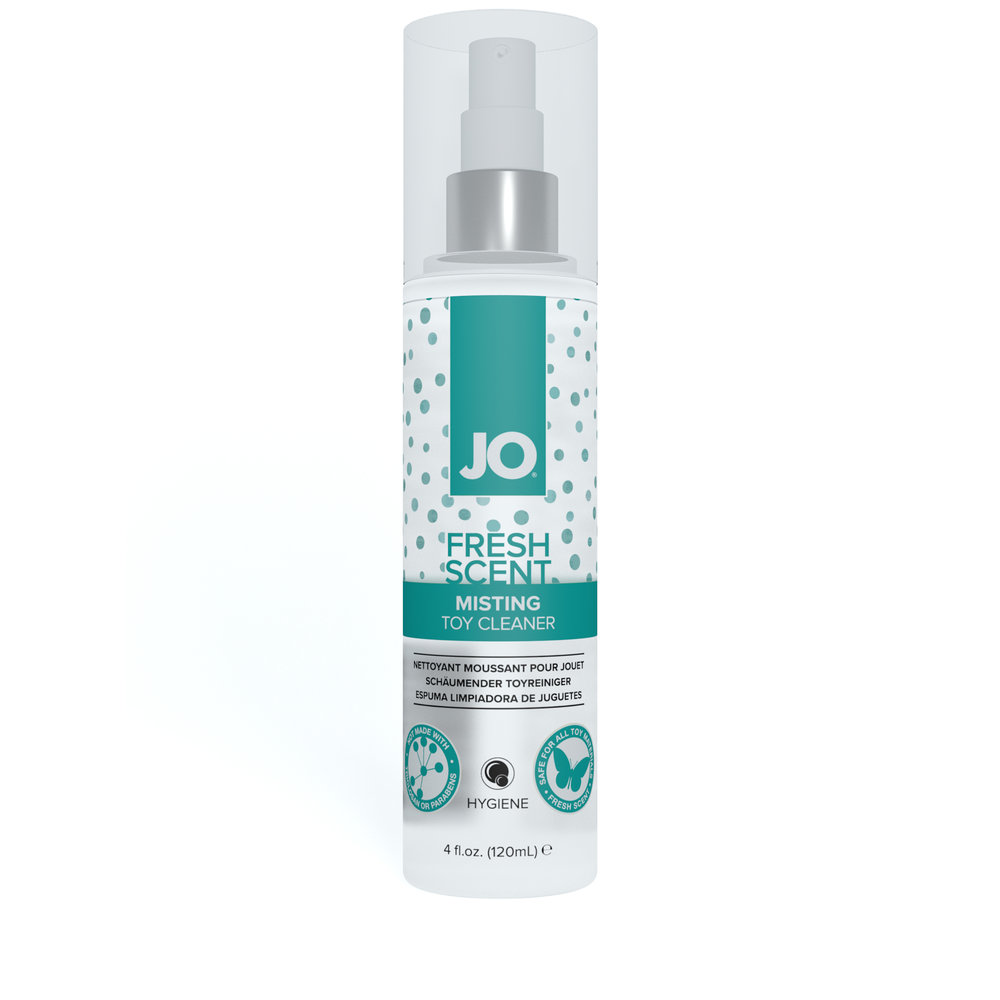
Wash toys after use regardless of which lube was on them, because residue left to sit is what makes the next session unpleasant. Store bottles upright and out of direct heat, and treat a change in smell, color or texture as the end of a bottle no matter what the date says.
Yes, lube expires. There is a date on the bottle and it is worth checking, especially on the one that has been in the nightstand since you cannot remember when.
Five Things That Go Wrong
- Not enough, too late. The single most common cause of discomfort, and the easiest to fix.
- Silicone lube on a silicone toy. Permanently tacky surface, no way back.
- Oil with a condom. Degrades latex. Water-based or silicone only.
- Water-based in the shower. It is gone in seconds. That is a silicone job.
- Blaming the base for an additive. If lube irritates you, look at glycerin and fragrance before you give up on the category.
Where to Go Next
For anal specifically, where thickness and cushion matter more than anywhere else, read The Best Lube for Anal Sex. If irritation is the recurring problem, Best Lubes for Sensitive Skin goes further into ingredients. To browse what is in stock, the lube category splits by base, and How to Use a Dildo covers which lube pairs with which toy material.
Frequently Asked Questions
How much lube should I use?
More than feels necessary, and applied before anything starts to drag rather than after. A dime-sized amount is a starting point, not a dose. Reapply as you go instead of putting more on at the start, particularly with a water-based formula, which absorbs and evaporates.
Can you use silicone lube with silicone toys?
No. Silicone lube bonds to the surface of a silicone toy and leaves it permanently tacky, and washing will not reverse it. Use water-based with silicone toys, and keep silicone lube for skin, glass and metal.
Is lube safe with condoms?
Water-based and silicone lube are both safe with latex. Oil-based lube is not: it degrades latex and that includes condoms, dams and gloves. If a condom is involved, use water-based or silicone.
Which lube lasts the longest?
Silicone, because it does not absorb into skin or evaporate. A hybrid lasts noticeably longer than a straight water-based formula while still washing off with water. Water-based is the shortest-lived and needs reapplying.
What lube should I use in the shower?
Silicone. Water rinses a water-based lube away in seconds, where silicone stays put underwater. The trade-off is that silicone cannot go on silicone toys and can stain fabric.
Why does lube irritate me?
Usually an additive rather than the base. Glycerin is the most common culprit, followed by fragrance and flavor. Parabens and petrochemical glycols are worth skipping too. A formula described as isotonic and pH-balanced sits closer to what your body already produces.
Does lube expire?
Yes. Check the date on the bottle, and treat any change in smell, color or texture as the end of it regardless of the date. An opened bottle stored somewhere warm will go off sooner than an unopened one in a drawer.